Finding Sea Glass - Top Ten Tips, Where to Find Seaglass.

Mary Beth • March 1, 2020
Where to Find Seaglass, Finding Sea Glass, Sea Glass Locations, Top Ten Tips for Finding Sea Glass.

Sea glass - Where and how can I find seaglass? This is clearly our most often asked beach glass question. It has become quite evident to us as lifelong collectors that less glass is left along our shores to be picked up. This factor, paired with more and more fervent collectors, sea glass will likely continue to dwindle on many of the Earth's shores.

There are several reasons why the hunt is so important to the seeker. Some find their Zen moments in the solitude and beauty of the hunt. Some collect to add color to their life. The history, mystery and discovery is also a strong force that draws the collector. Refining the searching experience itself is part of the allure and the journey for each individual seeker.


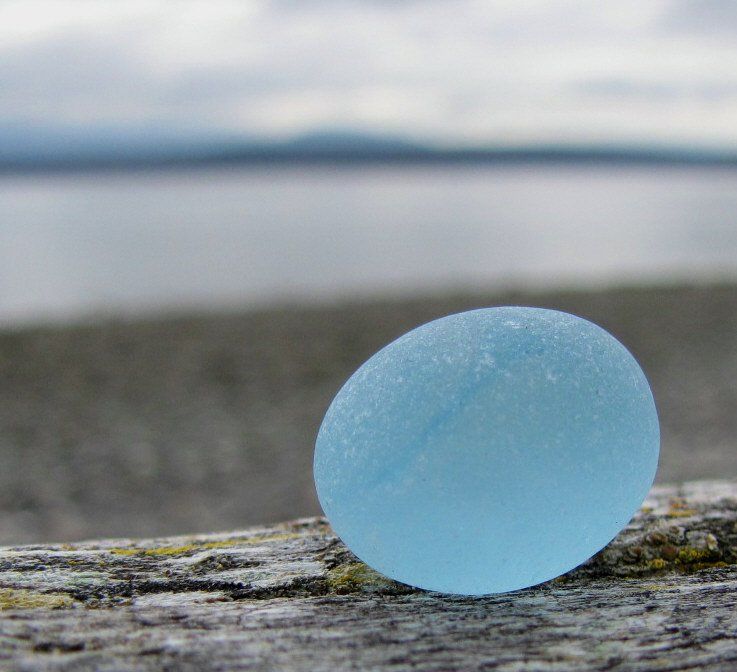
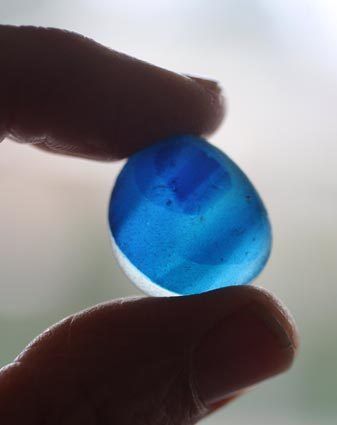
Blue Sea Glass, Finding Seaglass, Where to Find Sea Glass, Beach Glass, Rare Seaglass
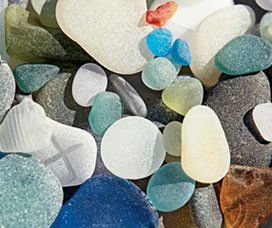
        Chunky, thick Pacific tumbled bottle pieces


Whatever your reasons, the sea glass collecting window is closing as pieces are becoming more elusive. Here are some reasons why:

  • Glass bottle production has slowed greatly since the 1970's.
  • Humans aren't throwing their trash into the ocean as much.
  • Recycling of glassware is much more practiced today than even ten years ago.
  • The rising of sea levels have left buried much of what was once dumped into the oceans.
  • The mass popularity of sea glass has been growing over the past 20 years, so a lot has been and continues to be assertively picked up.
  • One hundred percent of the West Coast Sea Glass collection is hand picked from many shores around the world by us and a couple of friends over our lifetimes. We've covered countless beach miles by foot and kayak to bring you one of, if not the world's most complete array of sea glass rarities, colors and beach glass history.

Finding Sea Glass, Top Ten Tips to Find Seaglass, Where to Find Sea Glass
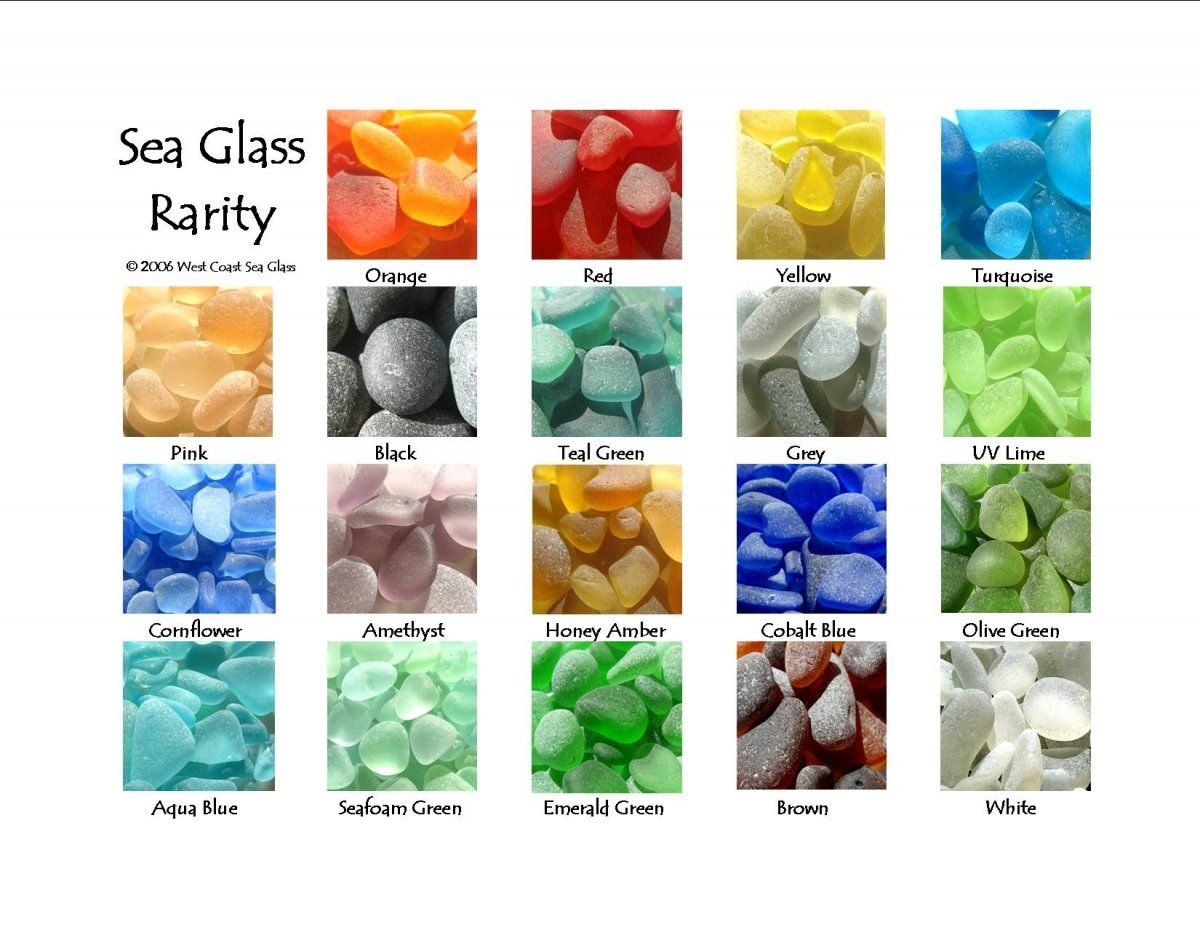
      Rare reds, found over many decades.


Ten Top Tips that might influence a fruitful and positive sea glass hunt:

1. Find an area where historic settlement has occurred. This will increase your chances of finding older pieces that ended up there when coastal dumping was allowed.
2. Check the tide charts before you go and try to get to your location at low tide
3. Locations that are further north on the planet are known for more dramatic tides. Find a beach that has good tide fluctuations in height. This moves glass nicely and smooths the edges over time.
4. If possible, head out after a storm or high winds. High winds and rougher seas tend to churn up pieces that are buried offshore beneath the surface.
5. Head to a shore that has rocky or pebbly patches. These kinds of shorelines with rock washes have proven to "catch" sea glass better than wide, vast open stretches of beach.
6. Your chances of finding sea glass will increase if you go to a beach that isn't always teeming with tourists and hunters who amass collections.
7. Locations that have a history of marine and shipping traffic and that are along major nautical stops tend to avail more pieces.
8. Make sure you watch the weather report and dress accordingly and wear comfy shoes that do well on sand or slippery rocks.
9. Bring something to carry your sea glass in (if you don't put it in your pockets) and always try to pick up any garbage that you see along the way too.
10. Lastly, it helps to keep in mind that for many, sea glass collecting is a challenge that's defined over sometimes decades of combined seasons and years of hunting.


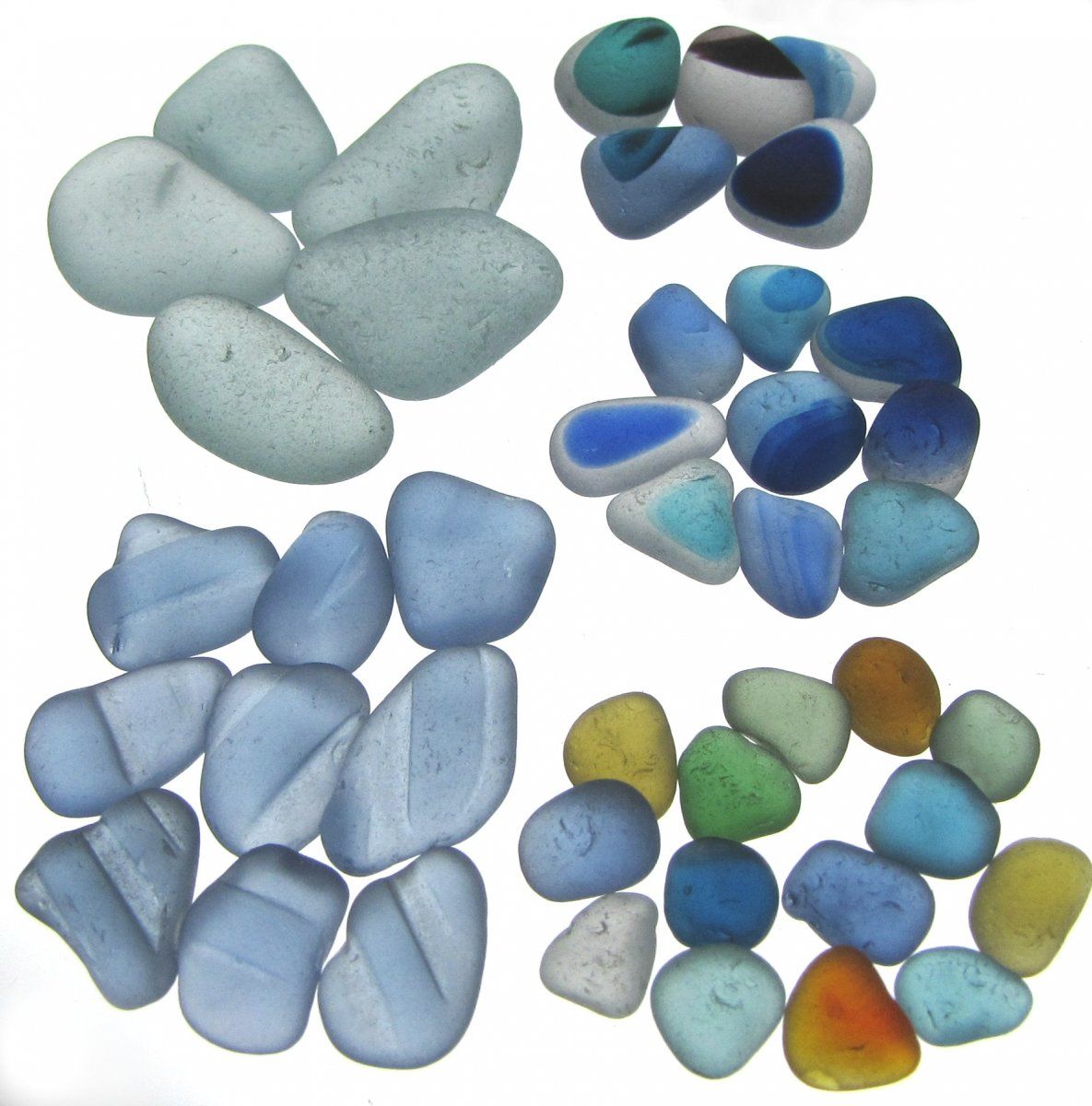
Where to Find Sea Glass - Top Ten Tips
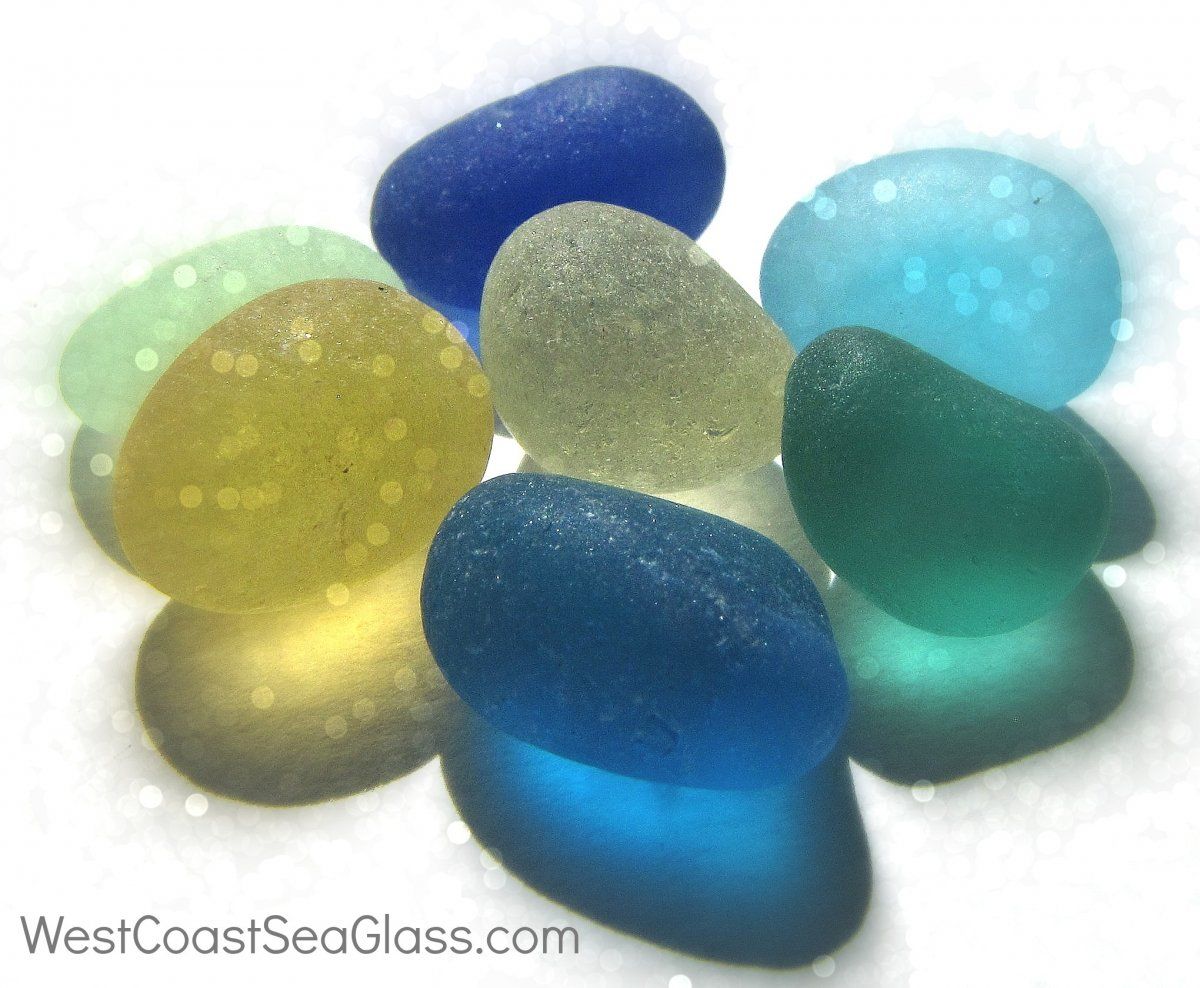
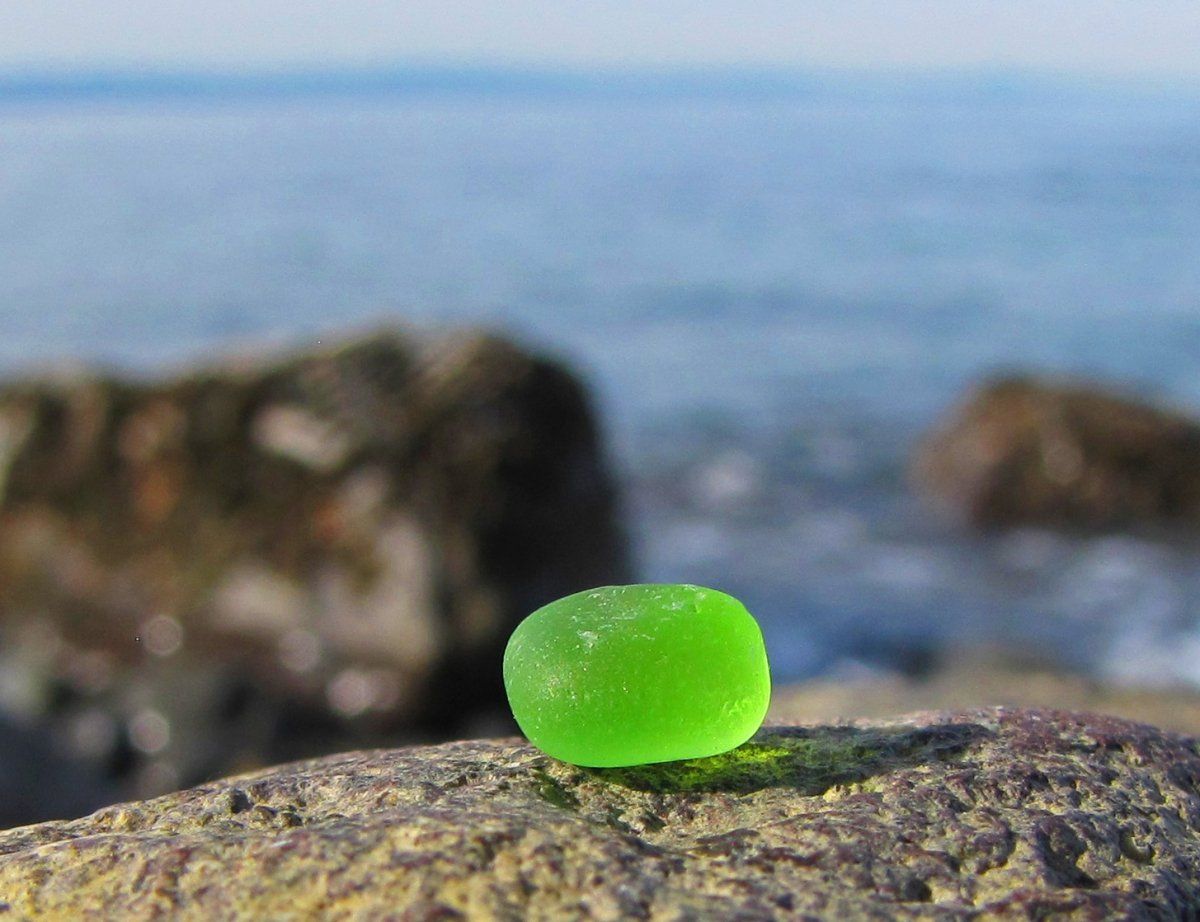
           Vintage green bottle glass - Malibu, CA


Further thoughts and observations from the West Coast Sea Glass team:

As always, please enjoy the providence that seems to ebb and flow as you seek. Please take care. Be sure to respect the discovery and solitude of the adventure. Make a point of staying sensitive to local beach guidelines and laws. Remember many communities have private property laws and it is wise to show care to the locals who live and work along the shoreline. Educate yourself about the environment and care for the earth. Be aware of shoreline restoration projects, wildlife habitats, property lines and tide lines. And remember that much like how a fisherman feels about his favorite fishin' spot, a favorite sea glass hunting beach can be like holy ground to some.

Further tips and research can be found in the book, "THE ULTIMATE GUIDE TO SEA GLASS" by Mary Beth Beuke
(c) All content and photographs are copyright protected. West Coast Sea Glass
By Mary Beth Beuke June 17, 2022
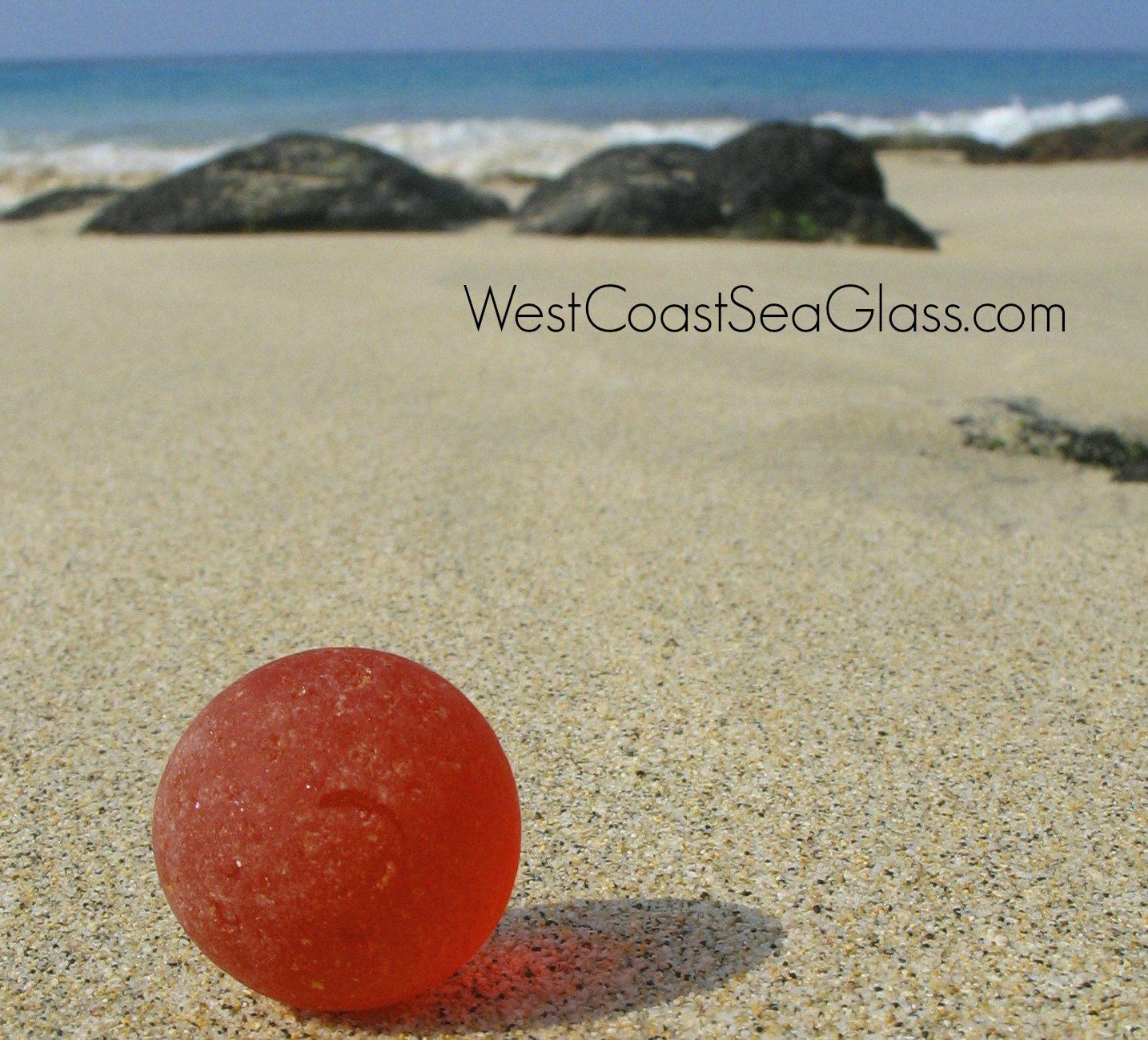
HOW DO GLASS MARBLES END UP ON THE BEACH? There are several theories about why historical glass marbles occasionally wash up on the world's beaches, even today. Reason #1 : In the late 1800's an inventor named Hiram Codd designed a glass soda bottle that used a marble as the stopper at the top. Similarly, the Japanese glass Ramune bottle was also sealed-up with a marble stopper; many times blue ones! These two bottle styles were used in the US and around the world and likely account for a great many of the beach marbles that have been found (and can occasionally still be found) along shorelines globally. When a bottle was discarded, often into the sea, the bottle would break against the rocky shore and the marble might stay intact and tumble for years and likely decades! Historically, marbles were like playtime currency for children! Finding a bottle, and breaking it to get the marble out was quite common. Reason #2 : Decades ago marbles were one of the most popular toys used. Young children played dozens of marble games; Taw games, marble races down a beach slope and marbles were even used in sling shots as ammunition. The shore is usually the lowest spot in any beach town or community. Toy marbles roll downward, down stream, down sewer pipe, down runoff trenches, culverts and more. Gravity accounts for many a marble journey toward shore. Additionally, the beach made a great place for target practice. Some children played games by floating a "moving target" piece of driftwood off shore then shot their marbles out into the water toward the target. Some seagulls often became the moving targets also. The resulting marbles which landed just offshore, one day washed beachward. Reason #3 : For a span of years, post-industrial-era in the US, marbles found along the railroad lines are most likely the result of dumped over freight-glass. The 3/4", orb-like pieces were shipped all over the country for use in the manufacture of fiberglass. It is also believed that glass marbles may have been used for ease in rolling freight and cargo around. This only explains the sea glass marble locale when a rail yard or railway is situated near or along a waterfront. Reason #4 : If you are beachcombing near a coastal landfill site, you will have more luck in finding a coveted sea glass marble. Painters often dropped a handful of marbles into a can of paint to help mix the batch. When the paint was used up and the can was tossed into the city dump (often times the dump was the sea-bluffs at the edge of town) the salt water and ocean's natural biodegrading ability decomposed the paint can over the years. The marbles became what was left and each washed around upon the shore until individually beach combed. Reason #5 : Ship's ballast? For hundreds of years, ships and cargo vessels were loaded with heavy items to help provide ballast. Marbles may have provided this weight inexpensively and effectively when the boxes or barrel containers were transported in the hull of a ship. The Marble Collectors Society of America writes "Clay marbles were made in both Germany and the US. It has been reported that clay marbles were used as ballast in the keels of ships that sailed to America from Germany and then were removed and sold in the US". In the Puget Sound where the tides move fast and the inlets can be narrow, ballast is key to keeping a sailing vessel upright and true. It reminds me of the white water rafting trips my family goes on down the remote Hell's Canyon in Idaho's back-country. The heavier, more weighted-down boats fare much better in the turbulent rapids than the lighter rafts. Ships along the Pacific Ocean's rough shore also needed this kind of weight to help with navigability. Yet should they be smashed upon the rocks, the barrels of marbles would surely be lost to sea only to roll up on shore decades and sometimes even centuries later. "A sea glass collecting friend of mine, Stephanie in the Virgin Islands messaged me multiple times with a story of how, one blessed day, she found more than just one or two marble finds. She was trying to solve the mystery of why the marbles ended up there on the beach. She was hiking along a shore that was lined with steep, sandy cliffs, One afternoon she discovered one or two marbles up higher on the beach bank, above that day's high tide line! Then she discovered another that led her up, away from the water's edge to yet another. She kept walking and continued to find them! Eventually she found herself staring directly into the cliff face. With no tools, she had nothing but her bare hands, she decided to dig into the clay-like cliff's side. In just a couple scoops of sand, she said, several marbles came tumbling down, right out of the cliff wall itself at about waist height! Stephanie did some research and believes that they may have been poured out there years, and years before she even visited that beach. She'd heard early stories of the rum runners during the late 1800's that carried barrels on sloops back and forth throughout the Caribbean to fill with alcohol. She shared stories of how the barrels were oftentimes filled with heavy items prior to their pickup so that the ships had heavy ballast." - The Ultimate Guide to Sea Glass At West Coast Sea Glass, we occasionally let go of one of our beautiful, antique sea glass marbles. They can be found on this page: Collector's Rarities
June 18, 2021
Peninsula Daily News - "Seeing Through Glass Eyes" by Diane Urbani De La Paz
June 18, 2021
Living on the Peninsula - "Sea Glass Colors Her Life" by Patricia Morrison Coate 
June 18, 2021
Sequim Gazette -  "From Trash to Treasure" by Ashley Oden, Staff Writer
June 18, 2021
Shore Lines Newsletter - The View From Here North American Sea Glass Association 
June 18, 2021
Santa Cruz Sentinel - "Sea of Color" by Leah Bartos
June 18, 2021
Seattle Times "Beachcombing for sea glass..." Seattle Times
June 18, 2021
Coastal Living - "A Touch of Glass"
June 18, 2021
Parade Magazine - "A Shore Thing" Parade Magazine
June 18, 2021
Seattle's "Evening Magazine"